

What Is a Smart Kitchen Appliance? A 2026 Guide
Table of Contents
- What Is a Smart Kitchen Appliance?
- The Real Benefits of Smart Kitchen Appliances
- Smart Kitchen Appliance Integration With Your Smart Home
- Smart Kitchen Appliance Security Best Practices
- Long-Term Maintenance and Software Obsolescence
- How to Choose Smart Kitchen Appliances That Last
- Conclusion
Last Updated: August 25, 2026
What Is a Smart Kitchen Appliance?
A smart kitchen appliance is an internet-connected device that communicates with other devices, apps, or cloud services to automate tasks, provide remote control, or deliver real-time notifications about cooking and food management. Unlike a standard appliance that simply runs when you switch it on, a smart appliance gathers data, responds to commands, and often improves its behavior over time through firmware updates. The core distinction is connectivity: a conventional oven heats food, while a smart oven monitors internal temperature, adjusts settings automatically, and sends an alert to your phone when dinner is ready.
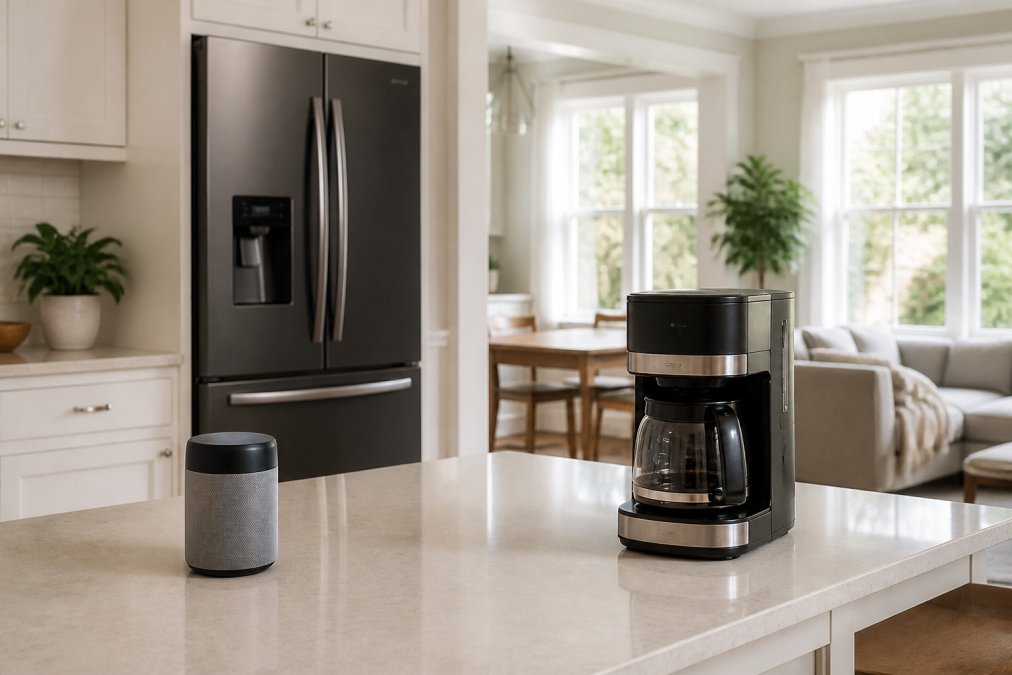
Common Types of Smart Kitchen Appliances
The smart kitchen appliance category includes:
- Smart refrigerators with interior cameras, inventory tracking, and app-controlled temperature zones
- Connected ovens and ranges that support scan-to-cook functionality and remote preheating
- Smart dishwashers that optimize water and energy consumption based on load size
- Wi-fi enabled coffee makers that can be scheduled from a smartphone
- Precision cookers and sous vide devices with app-guided recipes and automated temperature control
- Smart microwaves with barcode scanning and auto-cook settings
- Connected air fryers that sync with recipe apps for guided cooking
Each type sits on a spectrum from "mildly connected" (scheduling only) to "fully automated" (sensors, AI-assisted cooking, remote diagnostics).
How Smart Appliances Connect to the Internet
Most smart kitchen appliances connect through your home's wi-fi network on the 2.4 GHz band. Some devices also support Bluetooth for local control, and a growing number use Zigbee or Z-Wave protocols to communicate through a smart home hub rather than connecting directly to the internet. Once connected, the appliance registers with the manufacturer's cloud platform, which you access through a dedicated app, voice-activated assistant, or automation rules in a smart home ecosystem.
The Real Benefits of Smart Kitchen Appliances
The benefits of smart kitchen appliances fall into three practical categories: time savings, energy reduction, and cooking quality.
Energy Efficiency and Lower Utility Costs
Smart appliances reduce energy consumption through precision. A smart dishwasher uses sensors to detect how dirty the dishes are and adjusts water temperature, cycle length, and water volume accordingly. Smart refrigerators monitor door-open frequency, ambient kitchen temperature, and internal load to optimize compressor cycles. Some models shift high-draw tasks like ice-making to off-peak hours.
According to the U.S. Department of Energy's guidance on home appliances, connected appliances that qualify for ENERGY STAR certification are independently tested for efficiency. The savings are real but incremental, and compound when multiple connected devices work together as part of a broader smart home ecosystem.
Guided Cooking, Scan-to-Cook, and Automation
Guided cooking features walk you through recipes step by step, automatically adjusting oven temperature as you move between stages. Scan-to-cook functionality lets you point your phone at a frozen meal's barcode and have the oven or microwave configure itself with the correct time and temperature settings. For busy professionals who cook occasionally, these features close a real skill gap by providing institutional knowledge about food preparation.
Automation goes further with connected air fryers and precision cookers that sync directly with recipe apps. You select a recipe, the app sends parameters to the device, and the device executes them precisely. Most now require no more than three taps to start a guided cook session.
Smart Kitchen Appliance Integration With Your Smart Home
Getting individual smart appliances to work is straightforward. Getting them to work together intelligently is where most buyers run into friction.
Voice-Activated Assistants and Smart Home Hubs
Voice-activated control through a digital assistant is the most visible integration feature. You can ask your assistant to preheat the oven, check whether the refrigerator door is closed, or start the coffee maker from another room. The three dominant platforms are Amazon Alexa, Google Home, and Apple HomeKit, each functioning as a smart home hub that aggregates connected devices into a single interface.
Smart alerts add another layer. Many smart appliances can push notifications to your phone when a cycle finishes, when a filter needs replacing, or when the refrigerator temperature rises above a safe threshold.
Interoperability Challenges You Should Know About
Not all smart kitchen appliances work with all smart home platforms. A connected oven from one manufacturer may support Alexa but not HomeKit. A smart dishwasher may require its own proprietary hub rather than connecting through your existing smart home hub.
The Matter standard, a connectivity protocol backed by major technology companies, is designed to resolve this. As documented in the Connectivity Standards Alliance's Matter specification, Matter-certified devices are designed to work across ecosystems without manufacturer-specific bridges. Adoption is growing, but as of 2026, not every smart appliance on the market carries Matter certification.
Before purchasing, verify that the appliance explicitly lists compatibility with the smart home ecosystem you already use. Prefer devices with Matter certification when the option exists.
| Feature | What to Check Before Buying |
|---|---|
| Voice assistant support | Listed platforms: Alexa, Google, HomeKit |
| Hub requirement | Direct wi-fi vs. requires separate hub |
| Matter certification | Confirms cross-platform compatibility |
| App requirement | Standalone app vs. integrates with existing app |
| Firmware update policy | How long manufacturer commits to updates |
| ENERGY STAR rating | Independently verified efficiency |
Smart Kitchen Appliance Security Best Practices
Every internet-connected device in your kitchen is a potential entry point into your home network. Most security incidents involving smart home devices trace back to default credentials and outdated firmware, both entirely preventable.
The baseline security checklist for any new smart kitchen appliance:
- Change the default username and password immediately after setup
- Connect the device to a dedicated IoT network segment or guest network, separate from your primary devices
- Enable automatic firmware updates, or check for updates manually every 90 days
- Review app permissions and disable any that are not required for core functionality
- Register the device with the manufacturer to receive security advisories
According to CISA's guidance on securing smart home devices, network segmentation, where IoT devices are placed on a separate network from computers and phones, is one of the most effective steps a home user can take to limit exposure.
Data Privacy: What These Devices Actually Collect
Smart kitchen appliances collect more data than most users realize. A smart refrigerator may log door-open patterns, food inventory changes, and usage schedules. A connected oven records cooking times, temperatures, and recipe selections. This data is transmitted to the manufacturer's cloud platform and may be used for product improvement, targeted advertising, or shared with third parties.
Read the privacy policy before purchasing, specifically for data-sharing and retention clauses. Opt out of optional data collection during setup where the option exists, and periodically review what permissions the companion app holds on your smartphone. The Federal Trade Commission's guidance on connected device privacy provides a useful framework for evaluating what manufacturers are required to disclose.
Long-Term Maintenance and Software Obsolescence
A conventional refrigerator from a reputable manufacturer will run for 15 to 20 years with minimal maintenance. A smart refrigerator's hardware may last just as long, but its software ecosystem will not necessarily keep pace. Manufacturers typically support smart appliance software for three to seven years after a product's launch. After that window closes, firmware updates and security patches stop. In some cases, the companion app is discontinued, and the appliance loses its smart features entirely.
Predictive maintenance features, where the appliance monitors its own components and flags issues before they become failures, are genuinely valuable. But these features depend entirely on the software remaining active.
How to Choose Smart Kitchen Appliances That Last
The biggest mistake buyers make is optimizing for features rather than fundamentals. Start with these four questions before any purchase:
- Does it work with my existing ecosystem? Confirm explicit compatibility with your smart home hub or voice assistant.
- Does it carry Matter certification? Matter-certified devices offer the best long-term interoperability protection.
- What is the software support commitment? Look for a published policy, not a vague "ongoing updates" promise.
- Does it function without the cloud? Appliances that retain core functionality locally are significantly more resilient to platform shutdowns.
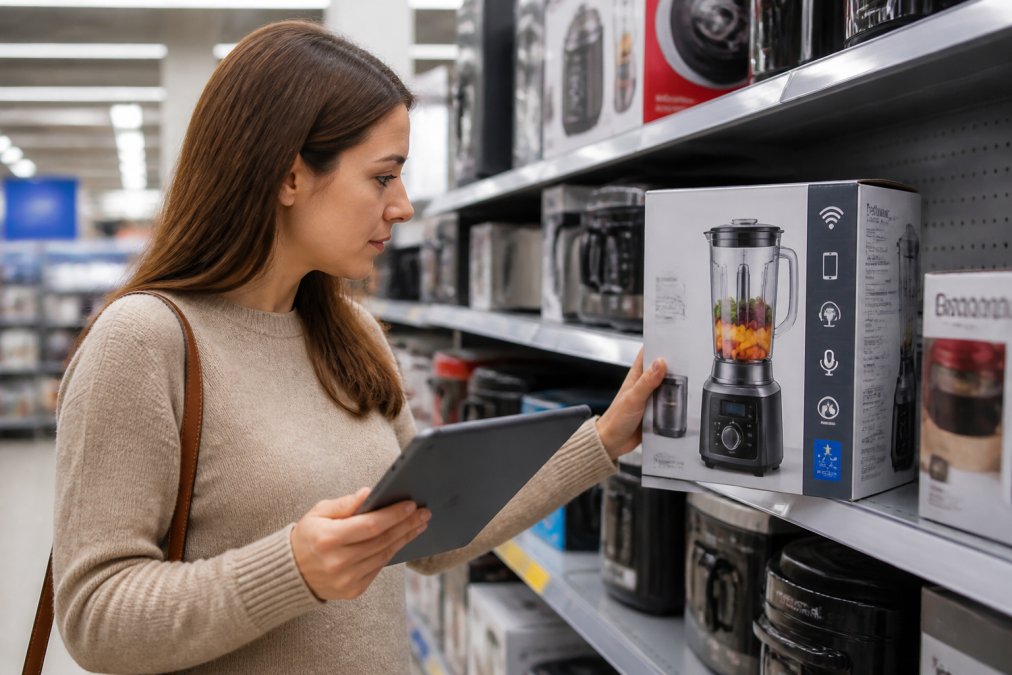
Accessibility Features Worth Checking
Accessibility is consistently underreported in smart appliance coverage. Features worth evaluating include voice control without a companion app, high-contrast displays and large text modes, tactile controls alongside touchscreens, and automated settings that reduce decision load. The ADA National Network's guidance on accessible home technology is a useful reference for understanding what accessibility standards apply to consumer technology in domestic settings.
Upgrading your kitchen with connected technology involves more decisions than a standard appliance purchase, and the stakes for getting those decisions wrong are higher when software support timelines are involved. Colons Home brings together a curated selection of smart kitchen appliances chosen for quality, compatibility, and lasting value, so you are not navigating those choices alone. Explore the collection and find the devices that fit how you actually cook and live. Shop Now at Colons Home.
Frequently Asked Questions
Are smart kitchen appliances worth it?
For most households, yes, particularly if you cook frequently or want tighter control over energy consumption. App-controlled settings, real-time notifications, and guided cooking features save time on routine tasks. The upfront cost is higher than standard appliances, but the convenience and energy efficiency gains offset that over time. The key is choosing devices that support open standards so they stay compatible with your setup as your smart home grows.
What are examples of smart appliances?
Common examples include wi-fi enabled refrigerators with internal cameras, smart ovens with scan-to-cook and remote monitoring, connected dishwashers that run during off-peak energy hours, smart coffee makers you can schedule from your phone, and induction cooktops with automated temperature settings. Many of these work with voice-activated digital assistants and can send smart alerts when a cycle finishes or a door is left open.
Do smart appliances require a specific smart home hub?
Not always, but compatibility matters. Many smart kitchen appliances connect directly to your home wi-fi and use a dedicated app without needing a hub. Others rely on protocols like Zigbee or Z-Wave, which do require a smart home hub. Before buying, check whether the appliance supports Matter, a newer open standard backed by major manufacturers, since Matter-certified devices work across most smart home ecosystems without locking you into one platform.
What are the disadvantages of a smart kitchen?
The main drawbacks are upfront cost, app fragmentation, cybersecurity exposure, and the risk of software obsolescence. A smart kitchen appliance depends on manufacturer firmware updates to stay functional and secure. If a company discontinues support, the device may lose features or stop working with updated operating systems. Privacy is another concern, connected devices collect usage data, so reviewing each product's privacy policy before purchase is worth the time.
This article was written using GrandRanker